Meta ads and SMM case study · STL Truckers
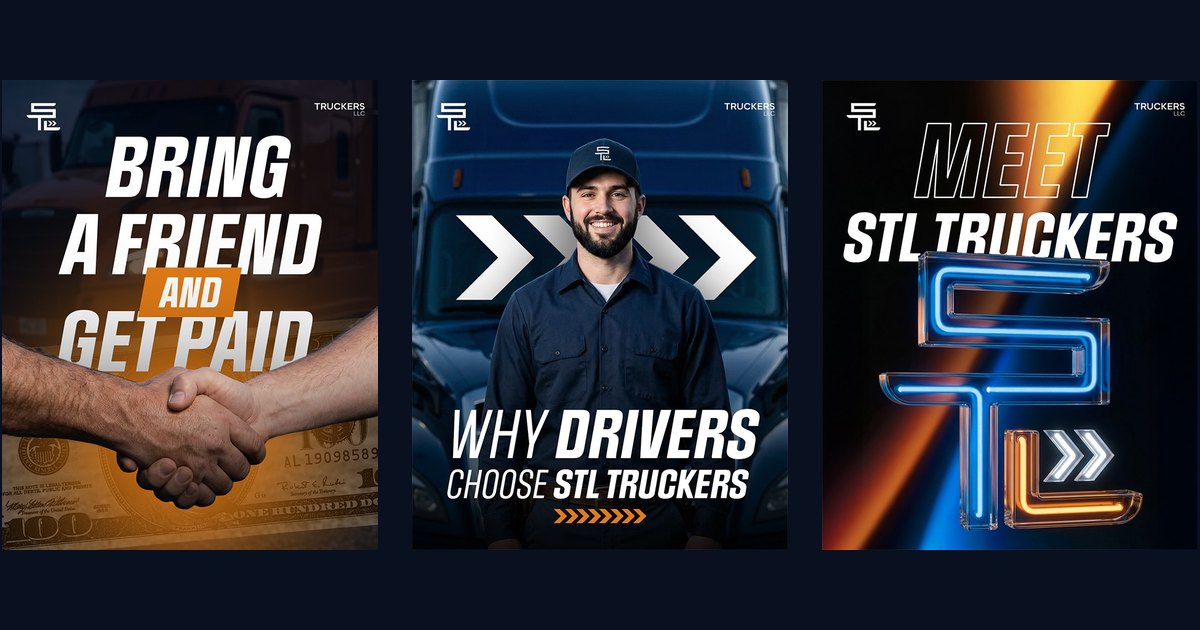

Social media & Meta ads for STL Truckers: 13 drivers hired at $456 each
Published 28 September 2026 · by Yana Narynska, COO, Pixelco
For a trucking company, social media and Meta ads are not two separate line items. They are one driver recruiting channel: the advertising brings the driver to the page, the account is what makes him apply. Run together they pull the cost per application and the cost per hire below what either reaches on its own.
Most carriers buy advertising and leave the account empty. This is what happens when the two are run as one job. Our client is STL Truckers, a carrier in St Charles, Missouri, hiring company drivers. We ran the Meta advertising and the Instagram account together for a quarter. Spend and applications come from our own Meta ads account, the account figures from the Instagram profile, and the hire rate from the carrier.
The advertising and the account do two different jobs. Paid ads buy attention from drivers who are not looking for you and have no reason to know your name. The account answers what an advertisement has no room to say: what the work pays, what the trucks are, who picks up the phone.
Run one without the other and you pay for half a result. Advertising into an empty profile buys clicks from drivers who leave the moment they check you. An account with no advertising behind it is a page nobody is sent to.
Together they cost less per application and less per hire, and the four reasons for that are further down.
What one quarter of Meta ads cost
| Advertising spend | $5,923 |
| Applications | 419 |
| Company solo drivers | 309 |
| Company team drivers | 110 |
| Cost per application | $14.14 |
| Drivers hired | 13 |
| Cost per driver hired | $456 |
| Comments and direct messages | 39 |
First quarter of 2026, one Meta ads account. Spend and applications reported by Meta Ads Manager, comments and direct messages by the Instagram account. Hires at the carrier's own rate of three drivers seated per hundred applications, and cost per hire is the whole advertising spend divided by them.
What we ran: Meta ads and social media
Service 1
Meta Ads
Paid advertising on Facebook and Instagram: campaign structure, audiences, creative and lead forms, measured to the application. The setup itself is written out in Facebook ads for truck driver recruiting. Hiring ads sit under rules that take most targeting away, and those are covered in the special ad category.
Service 2
SMM
Running the Instagram account: content plan, filming and editing, profile design, stories, highlights, and answering comments and direct messages. The account carries 457 posts and 25,400 followers. This is the page a driver opens before he decides to apply.
The Instagram account behind the ads
Social media for a trucking company is not a brand exercise. It is the page a driver opens between seeing the advertisement and filling in a form, and it either answers him or it does not.
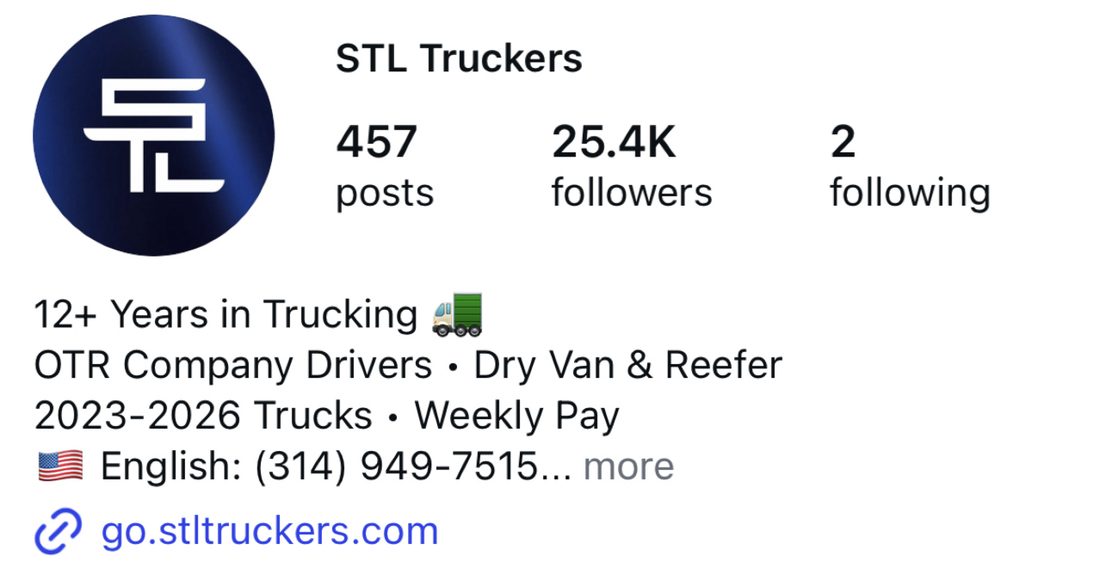
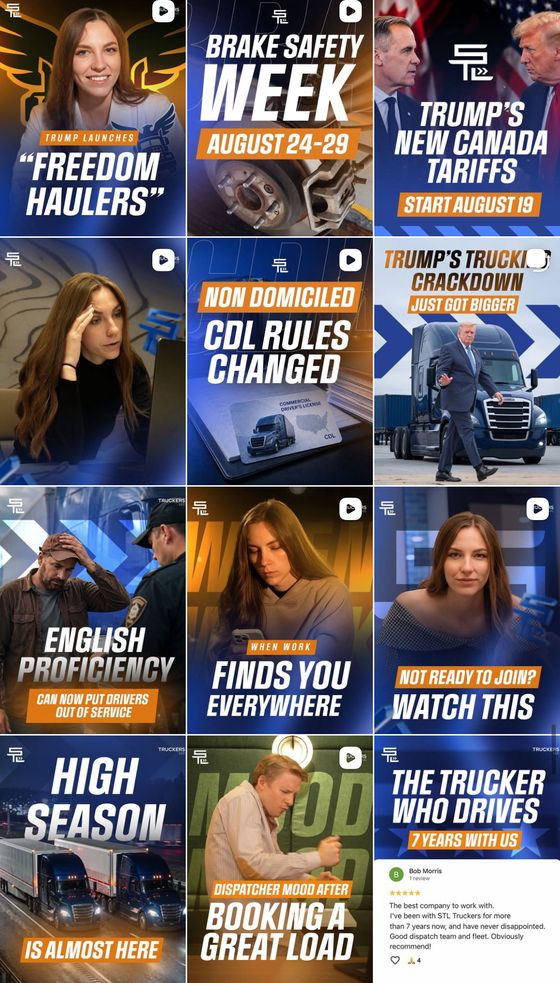
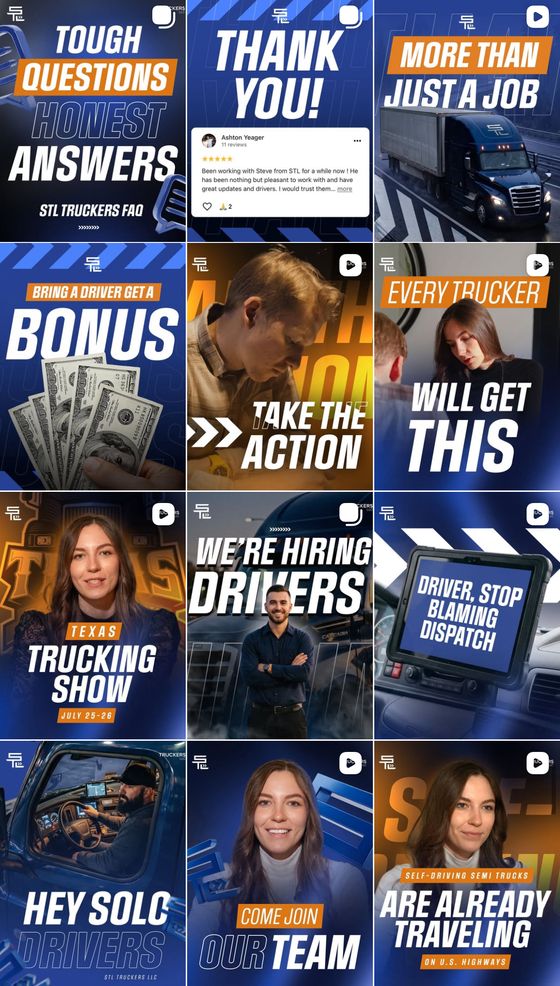
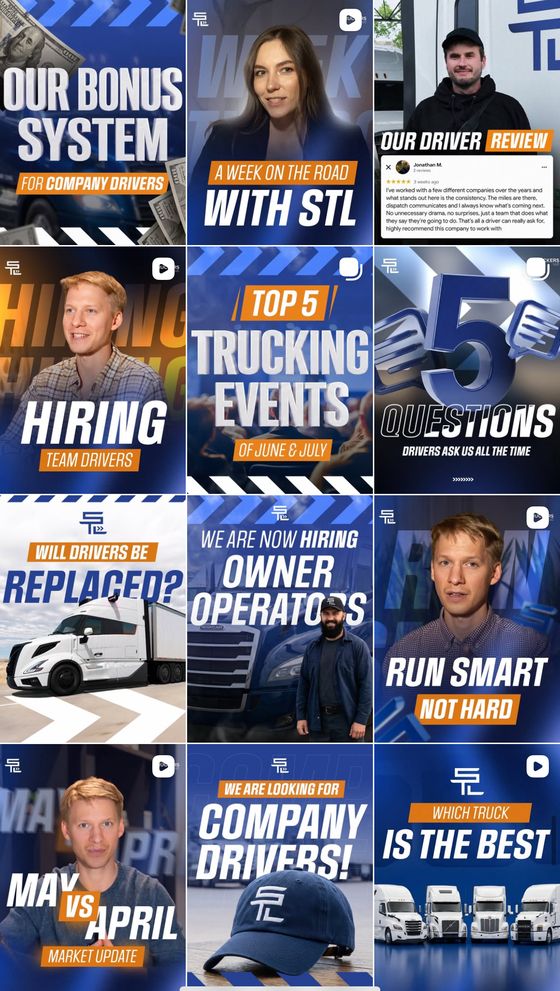
457 posts and 25,400 followers. Hiring posts, driver reviews, answers to the questions drivers ask, and the industry news they follow anyway.
Why social media and Meta ads are one job
An advertisement buys a click. What happens after it is on the account. A driver who already has a job does not apply because a picture looked good. He opens the profile and looks for three things: who you are, what the work pays, and how to reach a human.
On this account the bio answers the first two before he scrolls: OTR company drivers, dry van and reefer, trucks from 2023 to 2026, weekly pay. The highlights hold the rest: Contact us, About us, FAQ.
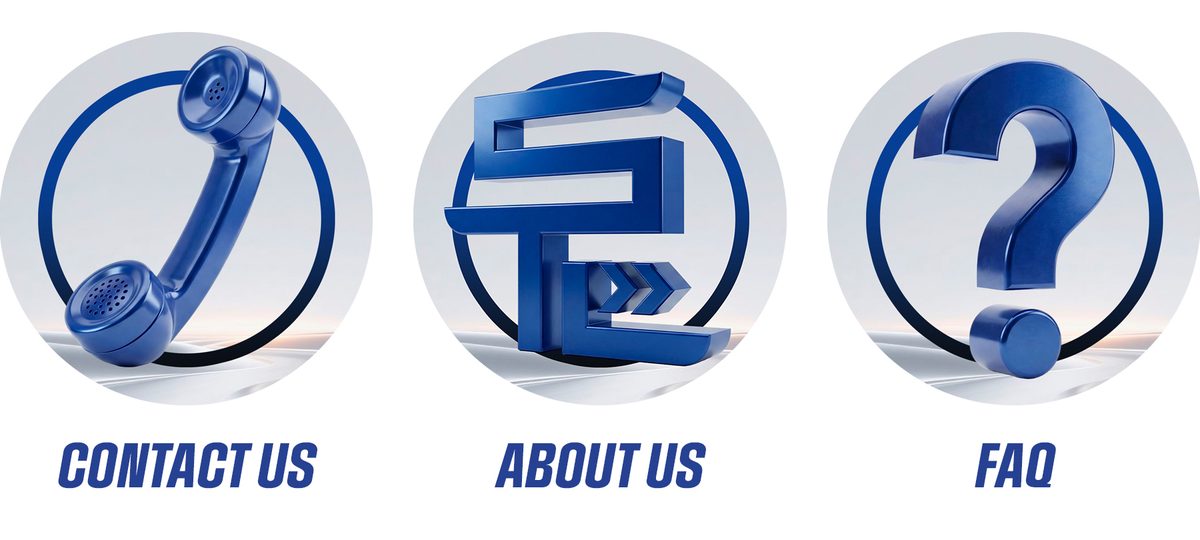
Three highlights, three questions answered before the driver has to ask them.
The stories carry the rest: who the company is and what the hiring offer is.
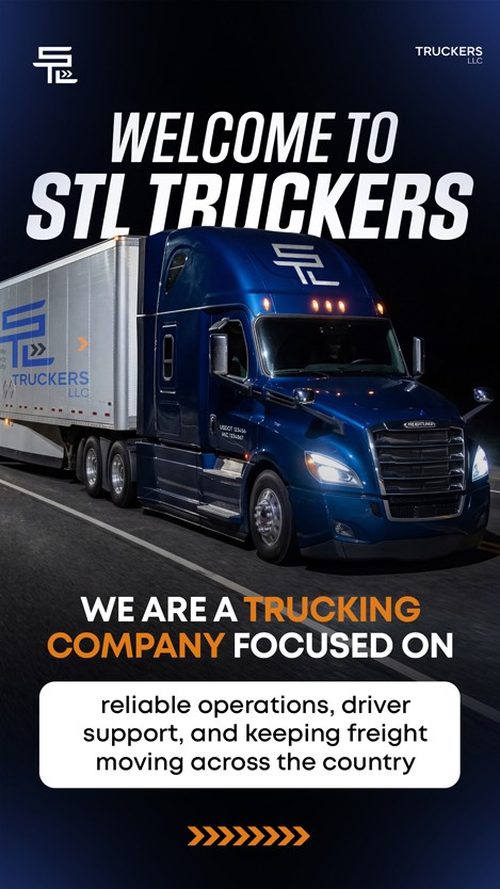
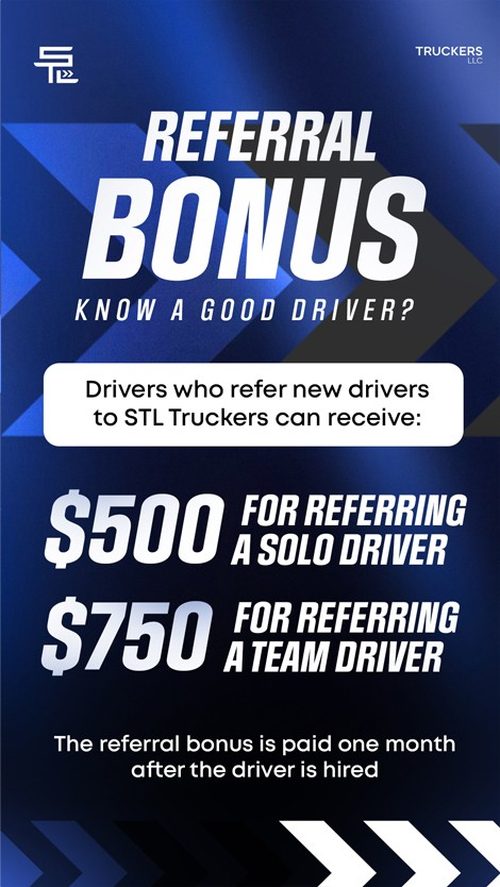
Stories running through the quarter: who the company is and what it is hiring for.
Two of the five barriers in the SLTM methodology land here. The advertisement clears the first one, Be Seen: the driver finds out the company exists and is hiring. The account clears the second, Be Real: he checks whether the company is what the advertisement says it is. Buying only the advertising means paying for the first barrier and failing at the second, with the money already spent.
Why cost per driver application and cost per hire come down
Four things happen when the account is alive behind the advertising, and every one of them shows up in the cost.
The click is already paid for either way
A driver who clicks the ad and then opens the profile costs the same whether the profile is full or empty. If it is empty he leaves and the money is gone. If it answers him, the same budget turns more of the same clicks into applications. That is the cost per driver application falling without spending a dollar more.
Part of the contacts carry no advertising cost at all
Over the quarter, 28 comments and 11 direct messages. They are not counted in the 419 and not in the $14.14, and no advertising money went to them.
The advertisement can stay short
Pay, equipment and home time sit in the stories and the highlights. The ad does not have to carry the whole offer, so it can be built to do one thing, get the click from the right driver. Ads that try to explain everything convert worse and cost more per application.
The wrong drivers leave before they apply
A driver who reads the terms on the profile and does not like them never fills in a form. He costs a click, not an application, and he does not waste a recruiter's call. This is the part that moves cost per hire rather than cost per application.
Solo and team drivers
The account brought in applications from two kinds of company driver at the same time.
| Audience | Applications | Share |
|---|---|---|
| Company solo drivers | 309 | 74% |
| Company team drivers | 110 | 26% |
Find out what a driver application costs in your market
Tell us how many trucks you need to fill and what you pay now. Pixelco runs advertising and social media for carriers as one job, on our own driver recruiting methodology.
Book a callThe result
One quarter, 419 applications from company drivers at $14.14 each.
309 solo and 110 team, filled from the same account at the same time.
STL Truckers seats three drivers for every hundred applications, which puts 13 drivers behind this quarter at $456 of advertising each. Our flatbed account, advertising without social media behind it, ran at $898 per seated driver.
On top of that, 39 comments and direct messages answered, and an account carrying 457 posts and 25,400 followers for the next driver who checks. Where this sits in the wider picture is in marketing for trucking companies.
Frequently asked questions
Can I run Meta ads without doing social media?
You can, and it costs more per application. The advertisement gets the driver to look, the account decides whether he applies. If there is nothing to look at, you keep paying for clicks that end on an empty profile.
What does it cost to work with you?
Two line items. The advertising side is a $2,000 monthly fee plus your own media budget, which we will not take below $2,000 a month for a hiring account. The social media side runs $1,000 to $2,200 a month, set by how much filming and editing the content plan needs. What a driver costs to hire is covered in what it costs to hire a truck driver.
How long before the advertising starts bringing driver applications?
On average the first applications land on the fifth working day after the campaign starts. Over the first quarter of 2026 the account ran at $14.14 an application and seated 13 drivers, which is $456 of advertising behind every driver who started.
Do you only work with carriers hiring company drivers?
No. We run driver recruiting for carriers of every kind, including flatbed and owner-operators, and lead generation for the software and services sold to trucking companies.